An employee pays for a client’s lunch, keeps the receipt in a jacket pocket and forgets about it for three weeks. When they finally submit the claim, the receipt is faded, the amount does not match the form and the approver is on leave. Weeks later, the money arrives, along with a lot of frustration on all sides.
Scenes like this play out in many businesses every month. Expense claims management exists to prevent them, which is why Best Expense Claims Management Platform is a category at the HR Vendor of the Year 2026 Awards. This article explains what expense claims management is, why it matters and what makes a good platform.
What Is Expense Claims Management?
Expense claims management is the process of submitting, checking, approving and reimbursing money that employees spend on behalf of the business. A claims management platform digitises each step so it is faster, clearer and easier to audit.
An expense claim covers costs such as travel, meals with clients, accommodation, transport and work supplies. The employee pays first, then asks the company to reimburse them. The company needs to confirm that the spending was genuine, within policy and recorded correctly.
When done manually, this involves paper forms, emailed receipts and spreadsheets. A digital platform replaces that with a single place to submit, review and track every claim.
Why Expense Claims Management Matters
Expense claims management matters because slow or unclear processes frustrate employees and limit finance visibility. A good platform shortens approval times and applies company policy consistently.
Employees get repaid faster
Nobody likes paying work costs from their own pocket and waiting for the money. Quick approvals and clear status updates build trust.
Finance gains visibility
When claims live in separate emails and files, it is hard to see total spending. A central platform shows what is being spent, by whom and on what.
Policies are applied evenly
Spending limits and category rules are easier to apply when the system checks them automatically, instead of leaving each approver to decide alone.
Fewer errors and less fraud risk
Manual entry leads to typing mistakes, duplicate claims and missing receipts. Digital records and automated checks reduce all three.
Admin time falls
Finance and HR teams spend less time chasing documents and correcting figures, and more time on analysis and planning.
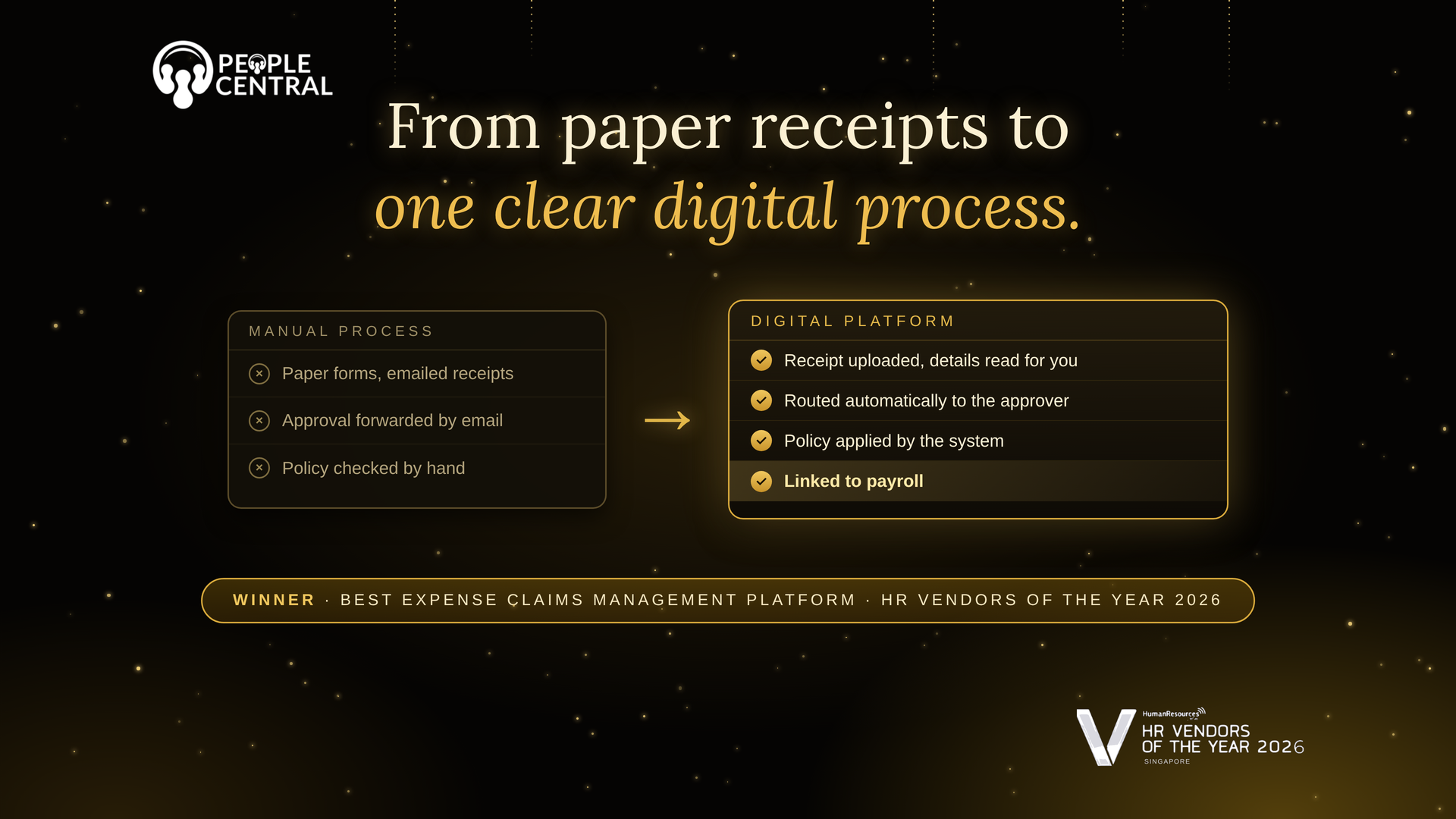
Here is how the process differs with and without a platform.
| Step | Manual Process | Digital Platform |
| Submission | Paper form or emailed spreadsheet | Online form with receipt upload |
| Receipt handling | Physical copies kept by employee | Digital copy attached to the claim |
| Approval | Forwarded by email | Routed automatically to the approver |
| Policy checks | Reviewed by hand | Applied by the system |
| Reimbursement | Separate payment request | Linked to payroll or payment run |
| Reporting | Built manually from files | Available on demand |
How Artificial Intelligence Is Changing Expense Claims
Artificial intelligence, or AI, is changing expense claims by reading receipts and filling in claim details automatically. This saves employees from typing every figure and reduces the chance of mistakes.
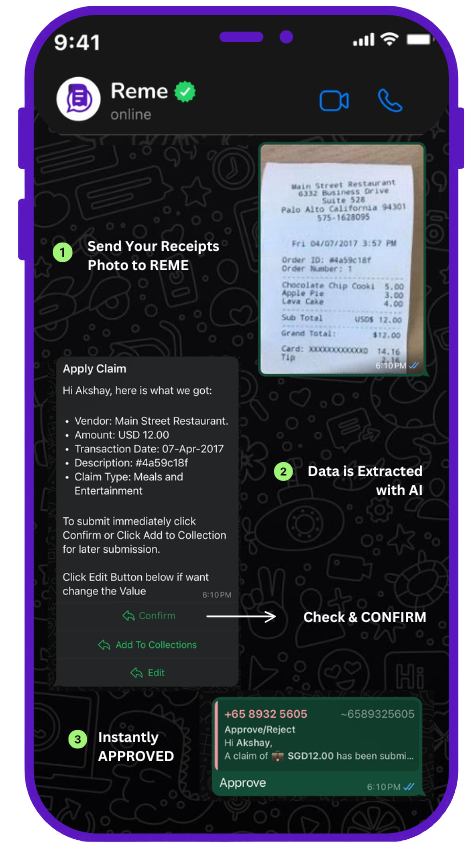
With AI-enabled expense processing, an employee can photograph a receipt, and the system extracts details such as the date, amount and merchant. It can then suggest a category and flag anything that looks unusual, such as a duplicate or an amount over the limit.
This does not remove human oversight. Approvers still decide what is accepted. What changes is the amount of manual typing and checking that comes before the decision.
What to Look For in an Expense Claims Platform
Easy submission
Employees should be able to submit a claim in minutes, ideally from a phone, with receipts attached on the spot.
Flexible approval workflows
Different claims may need different approvers. The platform should route claims correctly based on amount, department or type.
Policy controls
Look for the ability to set limits, categories and rules, so the system applies company policy automatically.
Connection to payroll
When approved claims flow straight into payroll, reimbursements are accurate and nothing falls between teams.
Clear reporting
Finance should be able to see spending by category, team and period without building reports by hand.
Audit trail
Every action, from submission to approval, should be recorded, so questions can be answered quickly later.
Common Mistakes to Avoid
Having no clear expense policy is the biggest mistake. Software can enforce rules, but someone first has to define what is allowed and what is not.
Another mistake is choosing a tool that sits apart from payroll and HR records. Separate systems bring back the retyping and reconciling that digital claims are meant to remove.
A further mistake is neglecting employee training. Show people how to submit claims properly so that problems are caught at the start.
Finally, some businesses never review their data. Regular reports reveal patterns, such as categories that keep going over budget, which can inform better policies.
About This Award Category
Best Expense Claims Management Platform recognises platforms that make claims quick to submit, simple to approve and easy to control.
People Central won this award at the HR Vendor of the Year 2026 Awards. Claims in People Central are managed within the same system as payroll and HR records, supported by AI-enabled expense processing.
Keeping claims alongside employee data means approved amounts can move into payroll without separate steps, and finance and HR work from the same information.
Frequently Asked Questions
What is an expense claim?
It is a request for reimbursement of money an employee spent on behalf of the business, such as travel or client meals.
What does expense claims management software do?
It lets employees submit claims digitally, routes them for approval, checks them against policy and supports reimbursement.
How does AI help with expense claims?
AI can read receipts, fill in claim details and flag unusual items, reducing manual typing and errors.
Should expense claims connect to payroll?
Linking them is usually best, because approved claims can be reimbursed accurately without re-entering data.
Is digital expense management suitable for small businesses?
Yes. Small teams often gain the most because they have little time to spare on manual paperwork.
Conclusion
Expense claims may seem like a small part of HR and finance, but they affect trust, cash flow and control. A good platform makes the process faster for employees, clearer for finance and easier to manage as the business grows.
To see how People Central brings claims, payroll and HR records together, visit peoplecentral.co.