India’s tax landscape continues to evolve as businesses become more digital and compliance requirements become more data-driven. For finance teams, GST is no longer just about filing returns on time, it’s about maintaining accurate records, reconciling invoices, managing input tax credit (ITC), and staying prepared for increasing automation in tax administration.
The term India GST 2.0 is often used to describe this next phase of GST compliance, where technology, automation, and real-time reporting play a much larger role in helping businesses remain compliant and reduce manual effort.
If your organisation operates in India or manages finance across multiple countries, understanding these changes is essential. In this guide, we’ll explain what India GST 2.0 means, why it matters for mid-market businesses, and how finance teams can prepare for a more efficient and compliant future.
What Is India GST 2.0?
India GST 2.0 isn’t a separate tax or a replacement for the current Goods and Services Tax (GST) system. Instead, it refers to the continued evolution of GST through greater digitalisation, automation, and tighter compliance processes.
Over the years, GST compliance has shifted from largely manual processes to technology-driven workflows. Businesses today are expected to maintain accurate transaction records, reconcile invoices regularly, and ensure tax filings align with available data.
For finance teams, this means moving beyond reactive compliance and adopting systems that improve accuracy, reduce manual work, and provide better visibility into tax-related transactions.
Why Finance Teams Should Pay Attention
GST compliance affects much more than tax filing. It influences cash flow, vendor management, expense processing, audits, and financial reporting.
As compliance requirements become more data-driven, small inaccuracies can lead to additional administrative work, delayed input tax credit claims, or increased scrutiny during audits.
A proactive approach helps finance teams:
- Improve the accuracy of GST records
- Reduce reconciliation effort
- Minimise manual data entry
- Strengthen internal financial controls
- Support faster month-end closing
For mid-market organisations processing hundreds or thousands of invoices each month, these improvements can make a significant difference.
Key Areas Finance Teams Should Focus On
Rather than viewing GST as a year-end compliance activity, businesses should manage it as part of their everyday financial operations.
Here are the areas that deserve the most attention.
Accurate Invoice Management
GST compliance begins with accurate invoices.
Every purchase and sales invoice should contain the required information, including GST details, supplier information, invoice numbers, and applicable tax amounts.
Incomplete or inaccurate invoices can create reconciliation issues later in the reporting cycle.
Establishing standard invoice verification procedures helps reduce these risks before transactions are recorded.
Input Tax Credit (ITC) Reconciliation
Input Tax Credit remains one of the most important aspects of GST compliance.
Finance teams should regularly reconcile purchase records with supplier invoices and GST filings to identify discrepancies early.
Waiting until the filing deadline often results in unnecessary pressure and makes resolving mismatches more difficult.
Routine reconciliation supports accurate tax reporting while helping businesses maximise eligible tax credits.
Expense Management and GST
Employee expenses frequently include GST on travel, accommodation, meals, office supplies, and other business purchases.
When receipts are incomplete or expense information is entered manually, identifying the correct tax amounts becomes more difficult.
A structured expense management process helps finance teams:
- Capture GST information consistently
- Maintain supporting documentation
- Improve reimbursement accuracy
- Simplify audit preparation
Managing expenses digitally also reduces the risk of missing invoices and incomplete records.
Digital Record Keeping
Maintaining organised digital records has become increasingly important for finance teams.
Instead of relying on paper invoices or scattered spreadsheets, businesses should centralise financial documents in systems that make information easy to retrieve.
Digital record keeping supports:
-
Faster reconciliations
- Easier audits
- Better document security
- Improved collaboration between finance teams
It also reduces the time spent searching for historical invoices during compliance reviews.
Common GST Challenges for Mid-Market Businesses
Many mid-sized organisations experience similar compliance challenges as they grow.
High Volume of Transactions
As businesses expand, finance teams process larger numbers of invoices, expense claims, and vendor payments every month.
Managing this workload manually increases the likelihood of data entry errors and reconciliation delays.
Manual Data Entry
Entering invoice information manually consumes valuable time and creates opportunities for mistakes.
Incorrect GST amounts, duplicate entries, or missing invoice details can affect reporting accuracy and increase the effort required during month-end reconciliation.
Vendor Reconciliation Issues
Differences between supplier records and internal accounting data can delay GST reconciliation.
Regular communication with vendors and routine reconciliation help identify discrepancies before filing deadlines.
Multiple Business Locations
Organisations operating across different states often manage larger volumes of invoices, vendors, and tax records.
Maintaining standard processes across locations helps improve consistency while reducing compliance risks.
Best Practices for Better GST Compliance
Strong GST compliance isn’t achieved through tax filing alone. It requires consistent financial processes throughout the year.
Here are several practices that can help finance teams stay organised and reduce compliance challenges.
Maintain Accurate Financial Records
Record business transactions promptly and ensure supporting documents are complete before processing invoices or reimbursements.
Reconcile Regularly
Perform invoice and Input Tax Credit reconciliations throughout the month instead of waiting until filing deadlines.
Standardise Internal Processes
Create clear procedures for invoice approvals, expense submissions, and document management so that every team follows the same workflow.
Train Employees
Employees who submit expense claims or purchase goods on behalf of the company should understand basic documentation requirements and company policies related to GST.
Adopt Digital Workflows
Replacing paper-based processes with digital systems helps reduce manual work, improve accuracy, and provide better visibility into financial data.
How Automation Simplifies GST Compliance
As businesses grow, managing GST manually becomes increasingly difficult. Finance teams spend significant time reviewing invoices, verifying tax amounts, reconciling records, and ensuring documentation is complete before filing returns.
Automation helps reduce this administrative burden by making routine compliance tasks faster and more consistent.
Some key benefits include:
Faster Invoice Processing
Instead of manually entering invoice details into accounting systems, businesses can capture and organise invoice information digitally. This reduces data entry errors and speeds up processing.
Improved Accuracy
Automated validation checks help identify missing invoice details, incorrect tax amounts, or incomplete documentation before transactions move further through the approval process.
Better Record Management
Keeping invoices, receipts, and supporting documents in one place makes it easier to retrieve information during audits or internal reviews.
Easier Reconciliation
When invoice and expense data is centralised, finance teams can compare records more efficiently and resolve discrepancies earlier in the reporting cycle.
Greater Visibility
Real-time dashboards provide better insight into expenses, vendor payments, and tax-related transactions, helping finance leaders make informed decisions throughout the month rather than only at filing time.
Common GST Compliance Mistakes to Avoid
Even organisations with experienced finance teams can encounter compliance challenges if internal processes are inconsistent.
Here are some of the most common mistakes.
Delaying Invoice Reconciliation
Leaving reconciliations until the filing deadline increases pressure on finance teams and makes it harder to identify discrepancies in time.
Regular reconciliation helps maintain accurate records throughout the reporting period.
Incomplete Documentation
Missing invoices, unreadable receipts, or incomplete supporting documents can delay GST reporting and create additional work during audits.
Finance teams should encourage employees to submit documentation promptly after business expenses are incurred.
Manual Expense Tracking
Tracking business expenses using spreadsheets increases the likelihood of data entry errors and missing information.
Digital expense management systems simplify record keeping while improving the accuracy of expense data.
Inconsistent Approval Processes
When departments follow different approval workflows, maintaining consistent financial records becomes more challenging.
A standardised approval process improves governance while reducing unnecessary delays.
Failing to Review Internal Processes
GST compliance is not only about meeting filing deadlines, it also depends on the quality of the processes behind them.
Regularly reviewing expense management, invoice processing, and approval workflows helps businesses identify opportunities for improvement.
Why Expense Management Plays an Important Role in GST Compliance
Business expenses often include GST, making expense management an important part of maintaining accurate tax records.
When employees submit complete expense information with supporting documentation, finance teams can process reimbursements more efficiently while maintaining the records needed for reconciliation and audits.
An organised expense management process also helps businesses:
- Capture GST information consistently
- Reduce manual data entry
- Improve documentation quality
- Maintain digital audit trails
- Strengthen internal financial controls
Rather than treating expense management and GST compliance as separate activities, businesses should view them as connected parts of the same financial process.
How REME Supports GST-Ready Expense Management
Managing GST becomes easier when expense information is captured accurately from the beginning.
REME helps finance teams streamline expense management by bringing expense submissions, approvals, and supporting documentation into one platform.
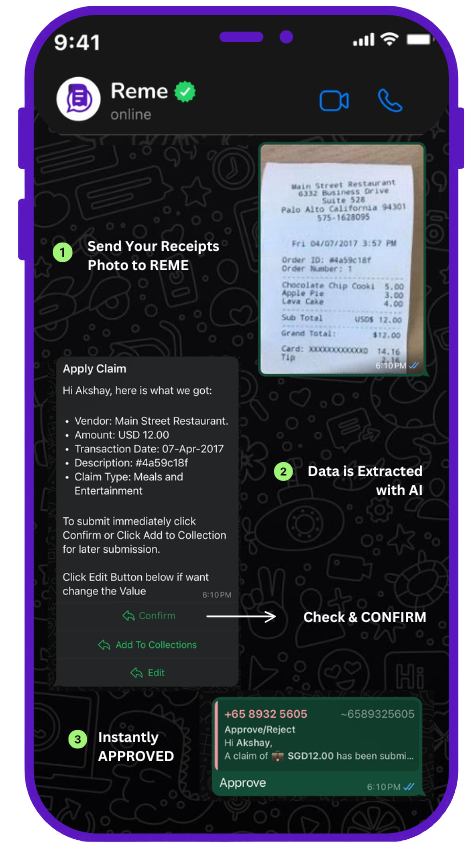
Employees can submit expenses through WhatsApp, making it easier to capture receipts while the purchase is still fresh. Finance teams gain a centralised view of expense claims, helping them review documentation, maintain organised records, and simplify reimbursement workflows.
By reducing manual administration and improving the quality of expense data, REME supports stronger financial controls and helps organisations build more efficient processes that complement their broader GST compliance efforts.
For businesses looking to simplify tax calculations, REME’s GST Calculator for India provides a quick way to estimate GST amounts and support day-to-day financial operations.
Frequently Asked Questions
What is India GST 2.0?
India GST 2.0 is a commonly used term that refers to the continued evolution of GST compliance through greater digitalisation, automation, and technology-driven financial processes. It is not a separate tax system.
Why is GST compliance important for finance teams?
Effective GST compliance helps businesses maintain accurate financial records, manage input tax credit, reduce reconciliation issues, and prepare for audits with greater confidence.
How does automation improve GST compliance?
Automation reduces manual data entry, improves invoice management, supports accurate record keeping, and helps finance teams streamline routine compliance activities.
What role does expense management play in GST?
Business expense records often contain GST information that supports tax reporting and reconciliation. Maintaining accurate expense records helps improve overall compliance.
Can small and mid-sized businesses benefit from automated GST processes?
Yes. Automation helps organisations of all sizes reduce manual work, improve financial accuracy, and build scalable compliance processes as they grow.
Conclusion
GST compliance has evolved far beyond periodic tax filing. Today’s finance teams must manage invoices, reconcile records, maintain accurate documentation, and ensure every transaction supports reliable financial reporting.
As compliance requirements become increasingly digital, businesses that continue to rely on manual processes may find it harder to maintain efficiency and accuracy. Investing in better workflows, organised record keeping, and automation helps finance teams reduce administrative work while strengthening financial controls.
Whether your organisation operates solely in India or manages finance across multiple countries, building strong GST processes today will help your business stay prepared for tomorrow’s compliance requirements.
Simplify GST Calculations and Expense Management
Looking for an easier way to manage GST-related expenses?
Use REME’s GST Calculator for India to estimate GST quickly and accurately, while simplifying expense submissions, approvals, and financial record keeping. Combined with automated expense management workflows, REME helps finance teams spend less time on manual administration and more time focusing on strategic financial decisions.